

Organic tea
Here you will find our teas that are certified in accordance with EU organic regulations. The range includes green tea, black tea, oolong, white tea, Pu-erh, matcha and rooibos from some of the world’s leading tea-producing regions, including China, Japan, Darjeeling and Nepal. As a certified organic importer, we work directly with selected producers and can also arrange organic certification for small, exclusive micro-lots. All teas in this category are fully certified in accordance with EU organic regulations, whilst the rest of our range also includes teas from producers who farm naturally and sustainably but who, for various reasons, have chosen to remain outside the certification system or not to certify each individual tea.
Showing 1–18 of 52 results
-
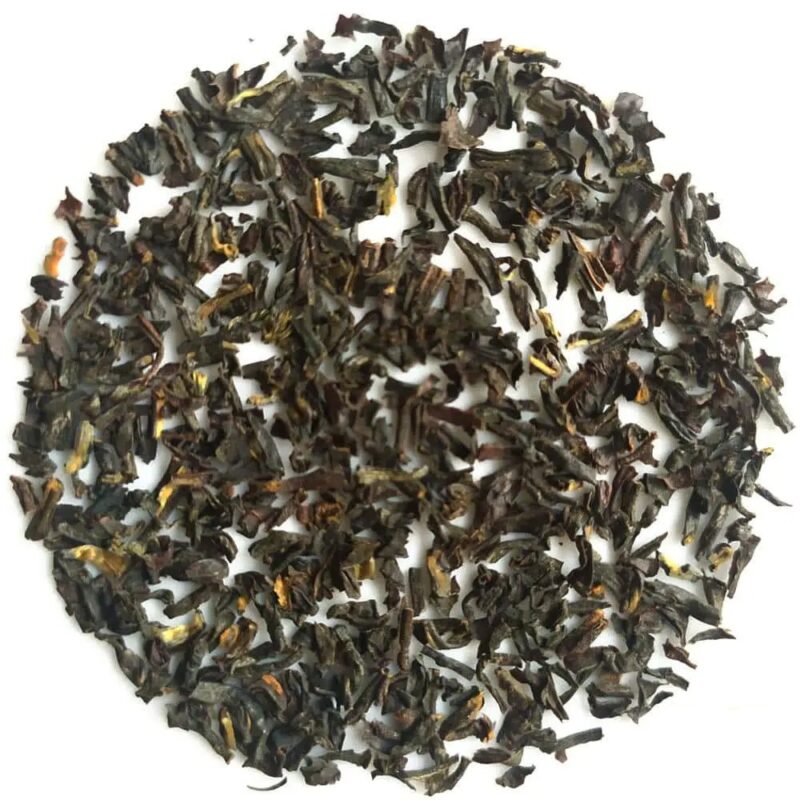
Assam Chardwar FBOP Tippy
Price range: 59kr through 215kr -
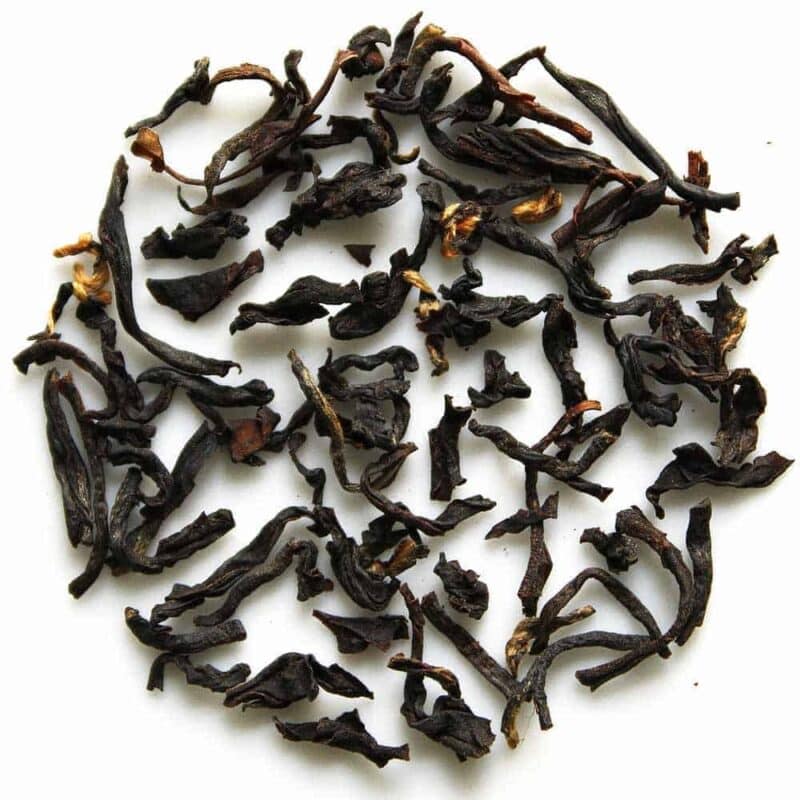
Assam Chardwar Golden Tippy
Price range: 69kr through 249kr -
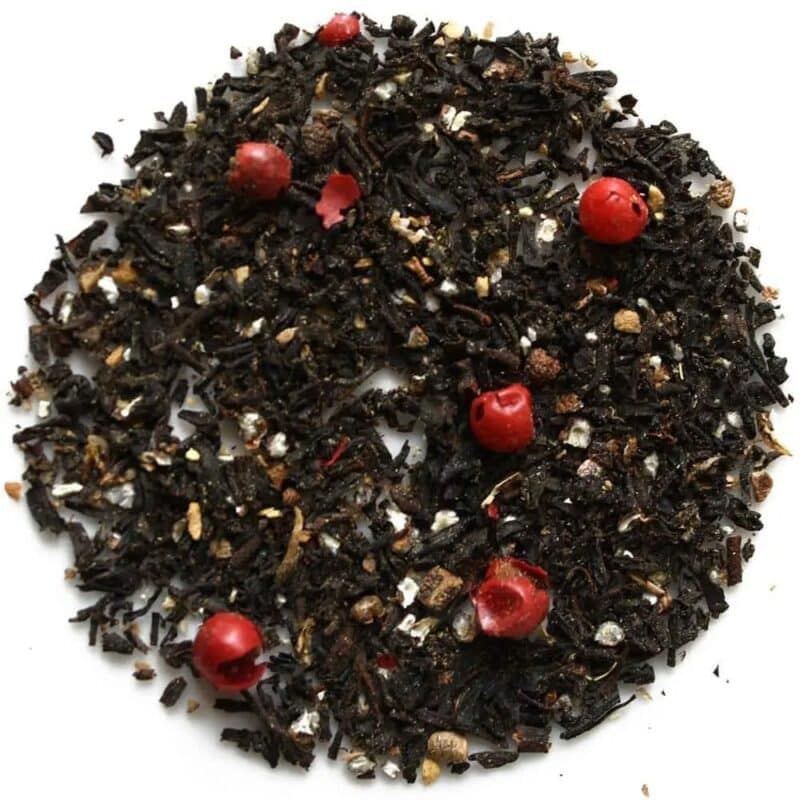
Chai Supreme
Price range: 65kr through 1,175kr -
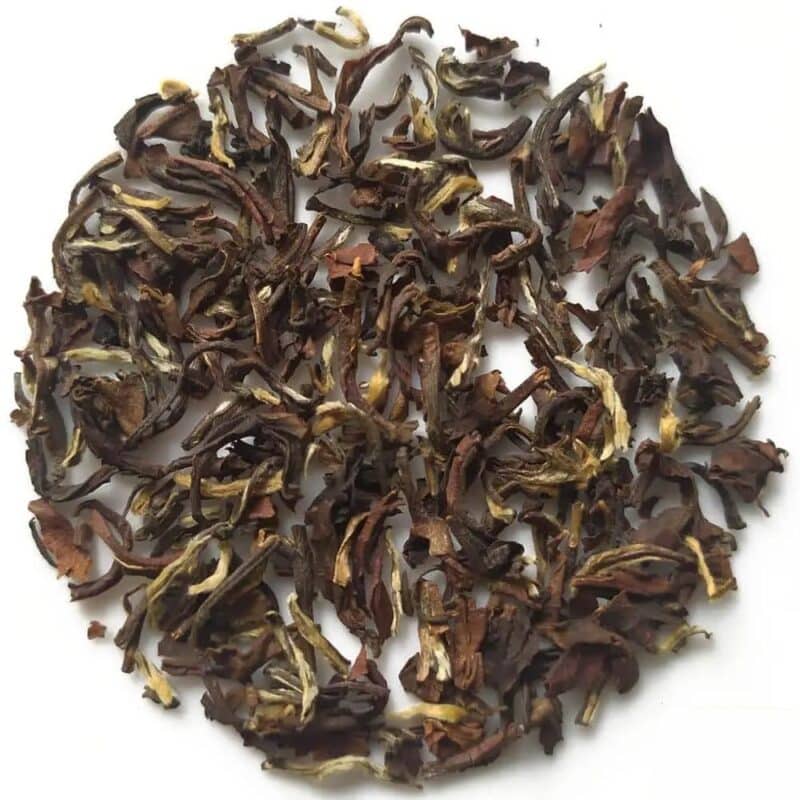
Darjeeling Samabeong Muscatel
Price range: 129kr through 499kr -
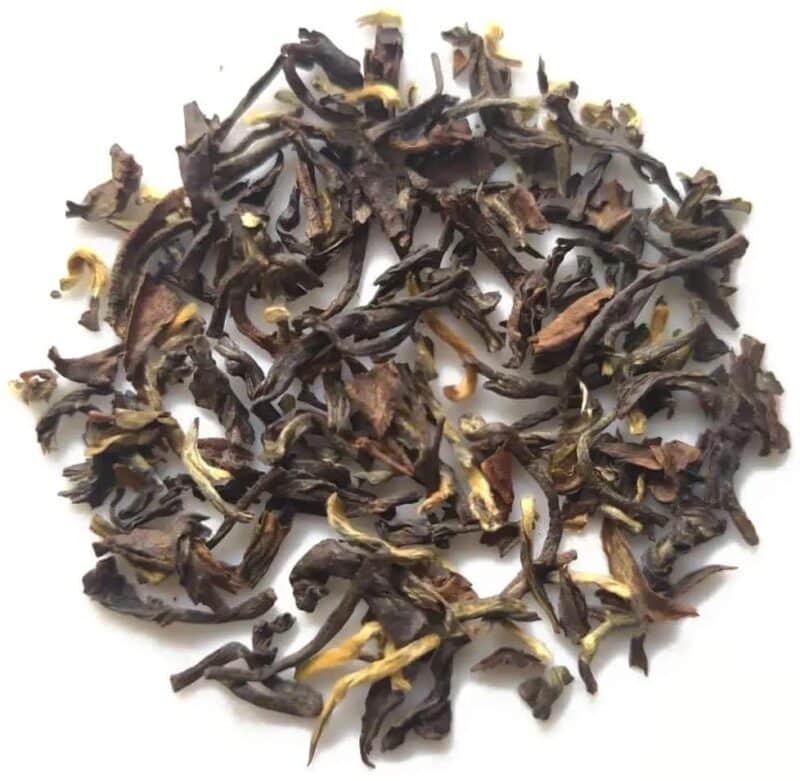
Darjeeling Singell Golden Reserve
Price range: 155kr through 589kr -
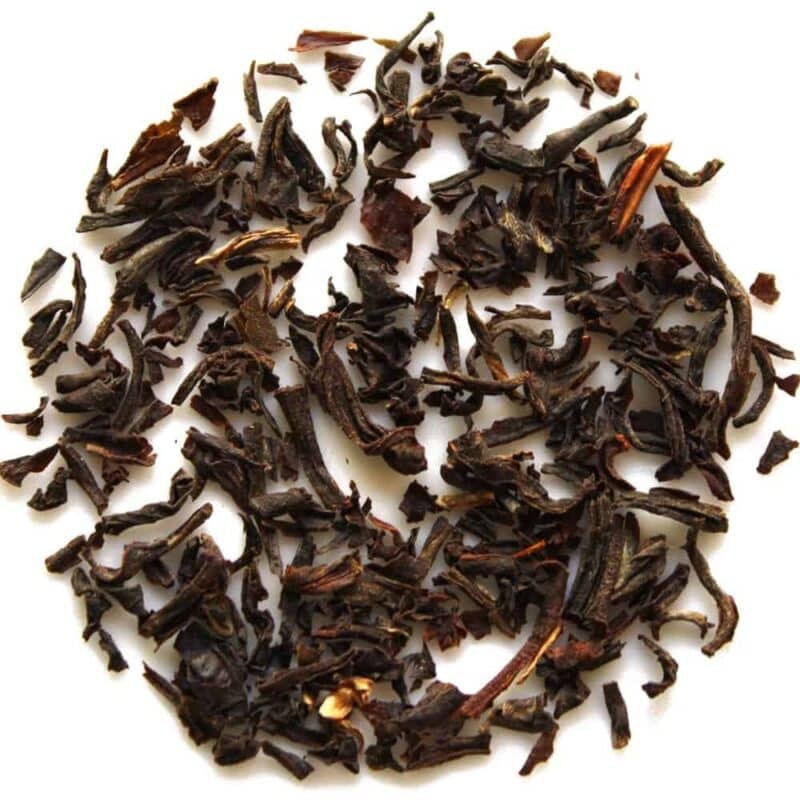
Dooars Pebble Brook Golden Tippy
Price range: 69kr through 259kr -
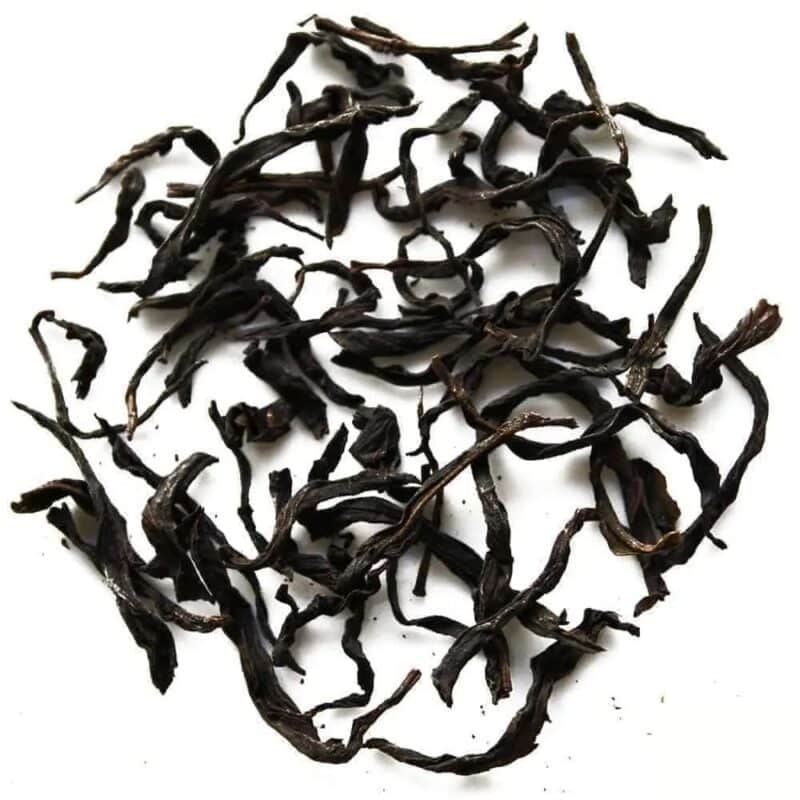
Fenghuang Dancong Night Fragrance
Price range: 95kr through 339kr -
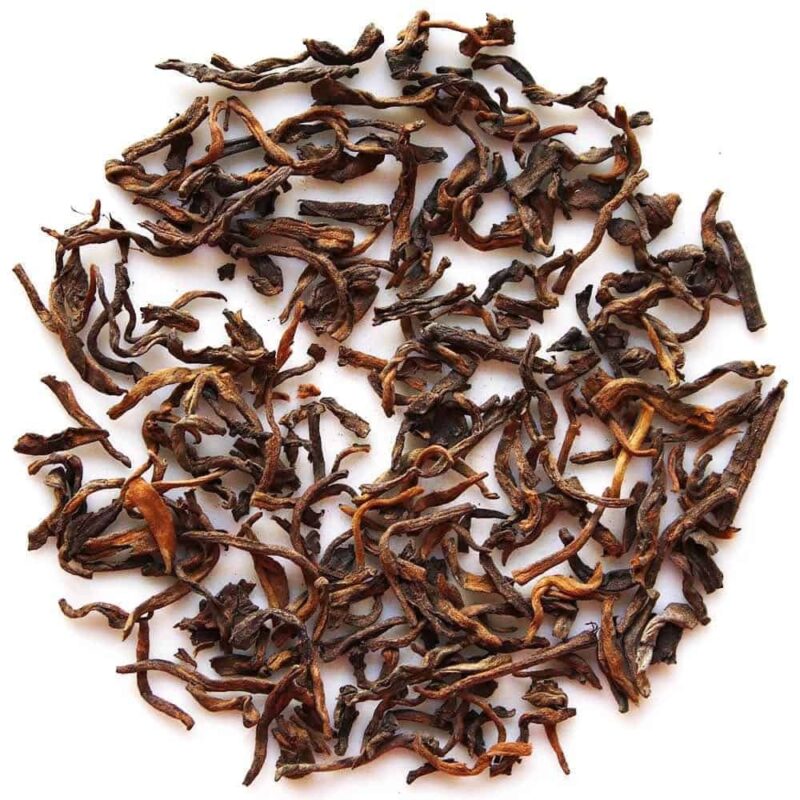
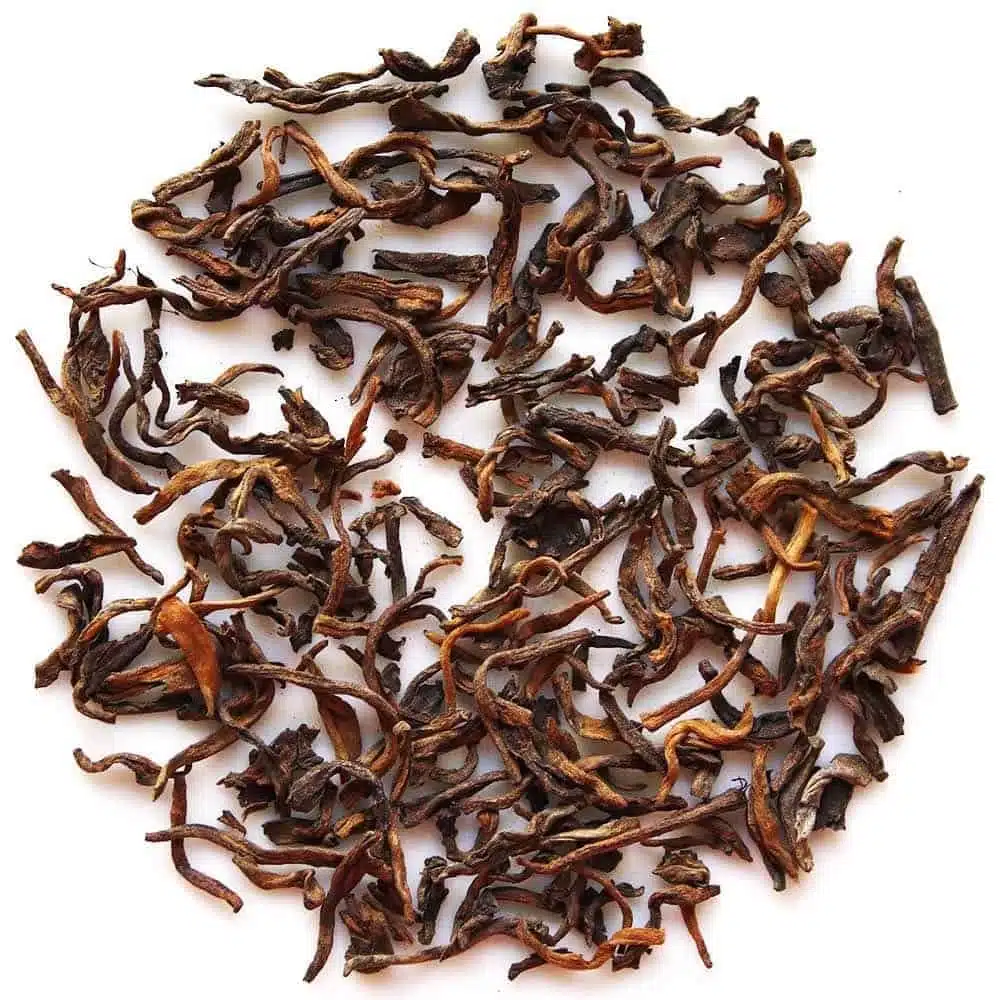
Gong Ting Puerh
Price range: 129kr through 479kr -
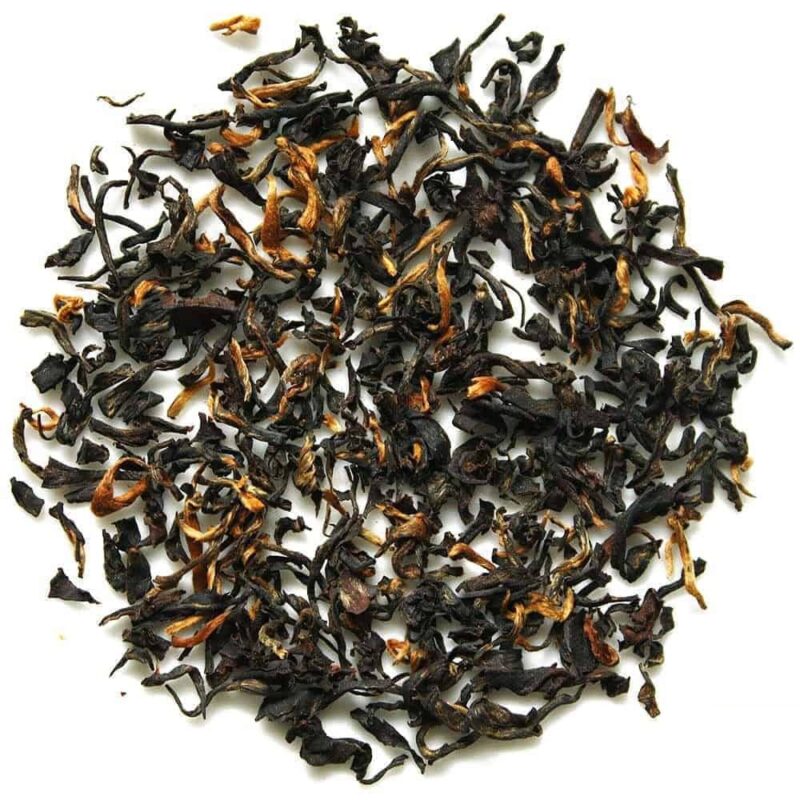
Himalayan Black
Price range: 95kr through 349kr -
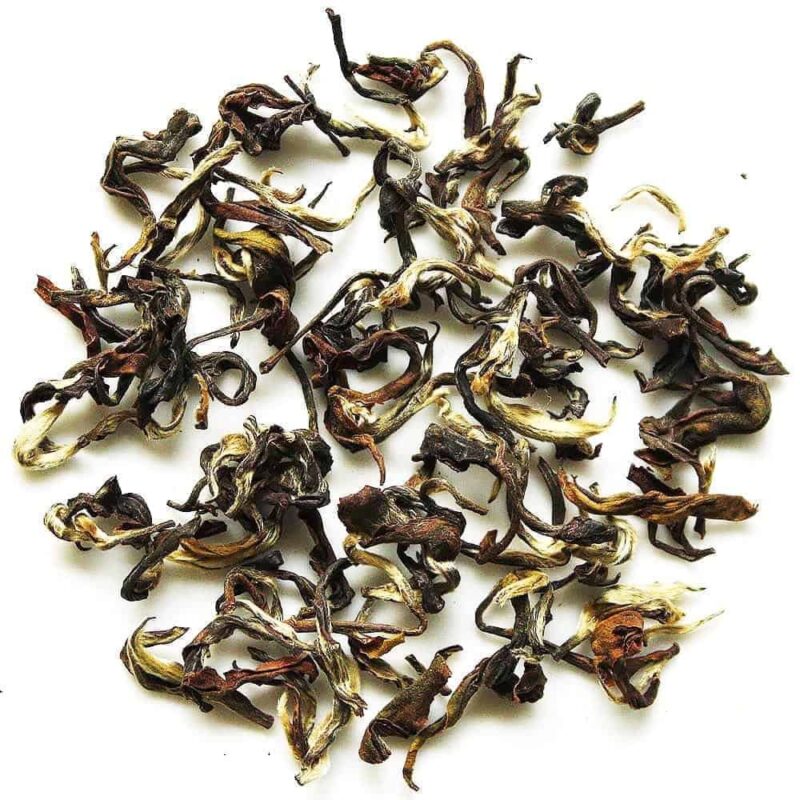
Himalayan Bouquet
Price range: 139kr through 529kr -
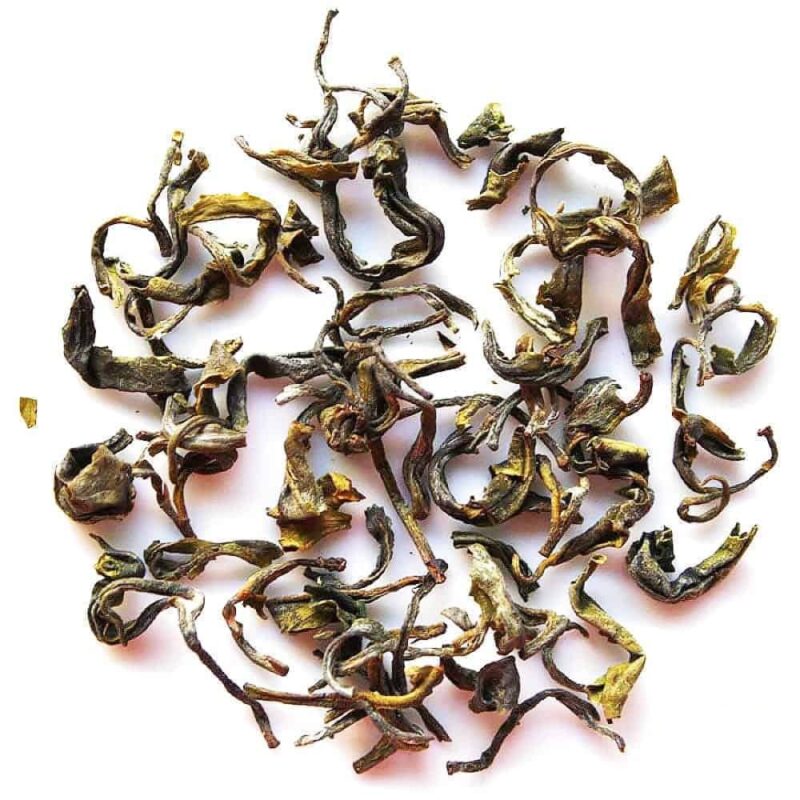
Himalayan Evergreen
Price range: 129kr through 469kr -
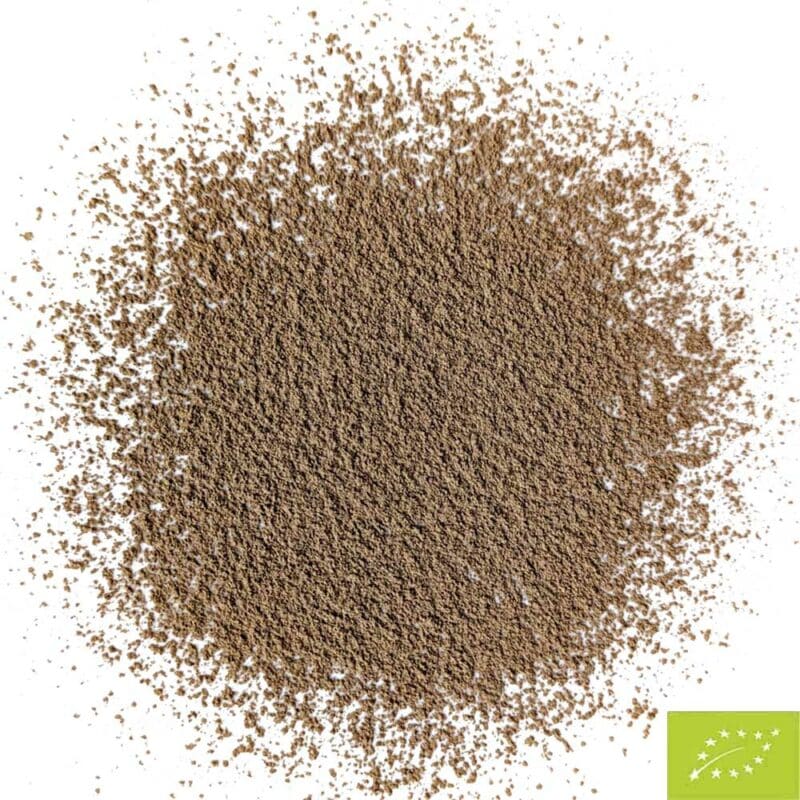
Hojicha Powder
Price range: 79kr through 1,745kr -
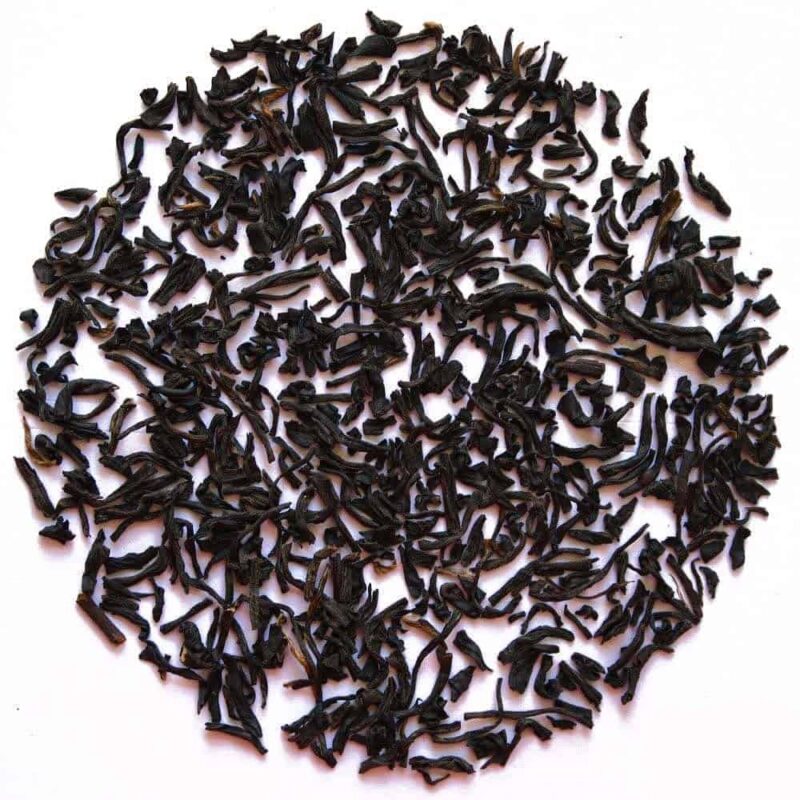
Keemun Gong Fu
Price range: 65kr through 1,175kr -
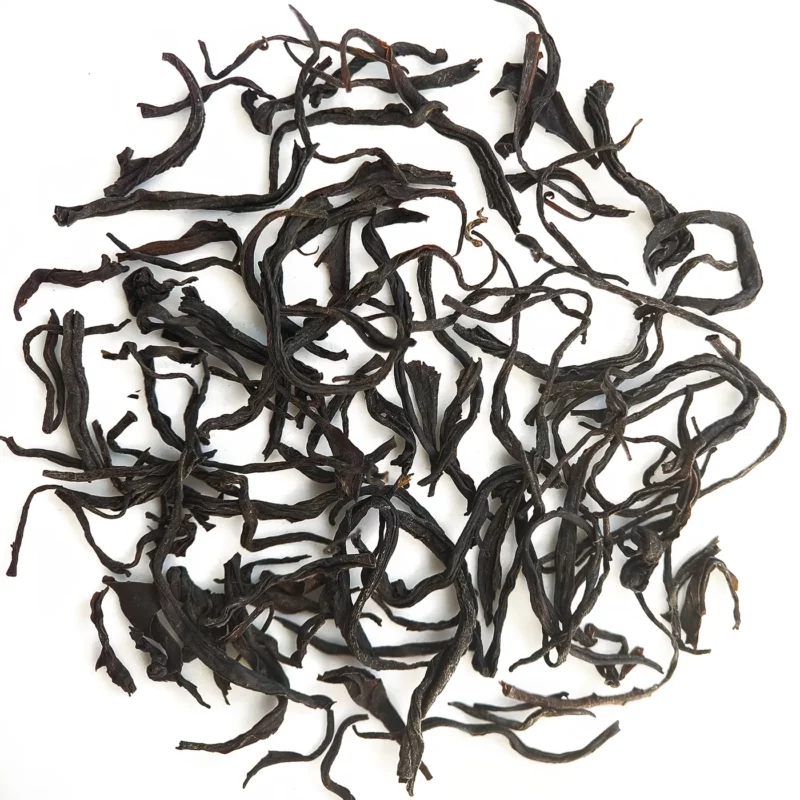
Keemun Maofeng
Price range: 85kr through 329kr -
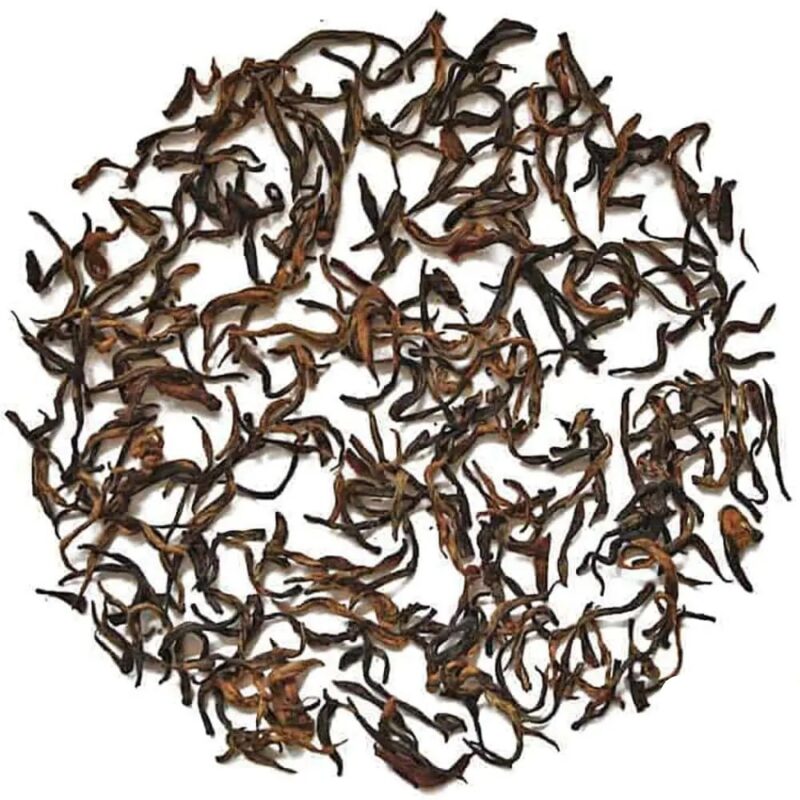
Keemun Spring Fragrance
Price range: 149kr through 569kr -
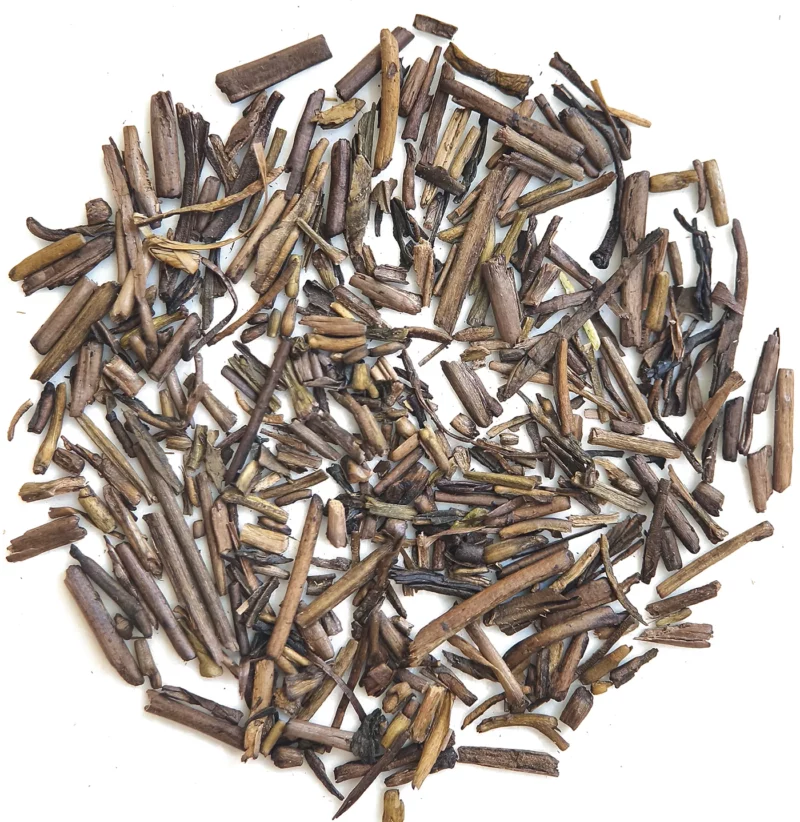
Kuki Hojicha
Price range: 95kr through 349kr -
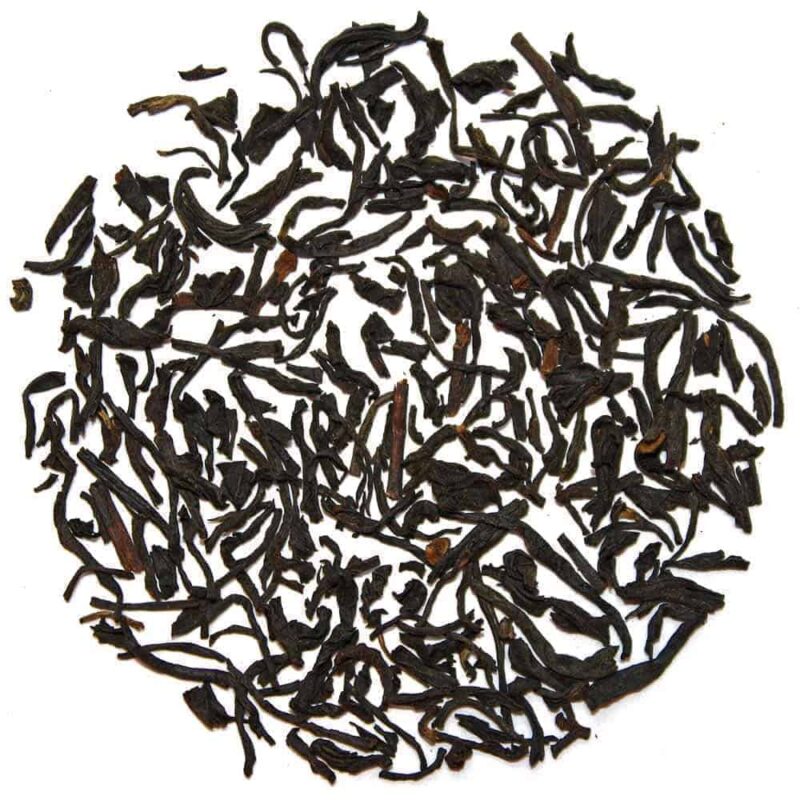
Lapsang Souchong Premium Blend
Price range: 59kr through 215kr -
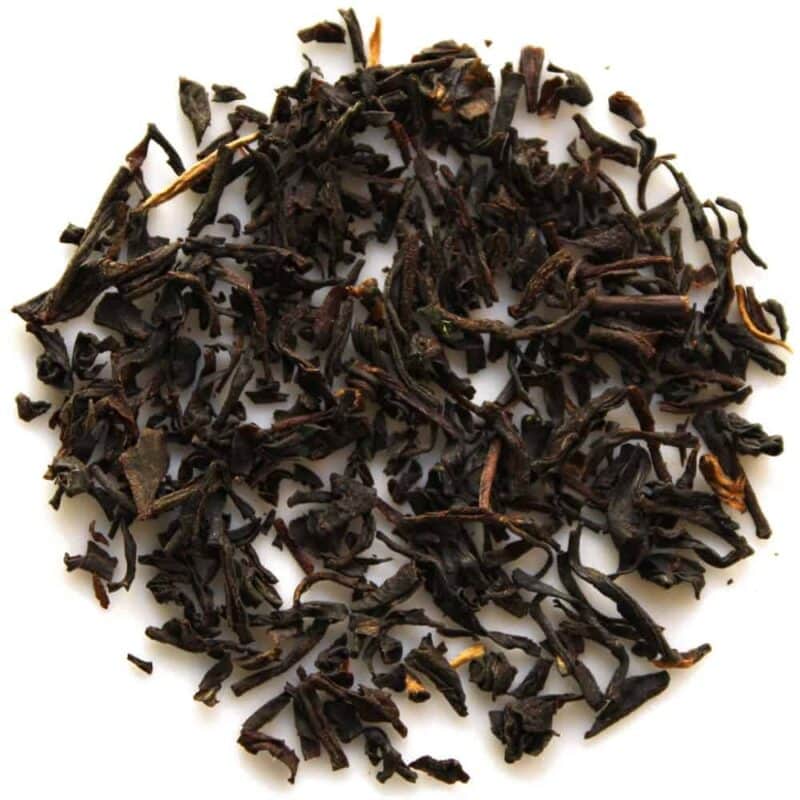
Limone Black
Price range: 65kr through 235kr





Organic certification and quality
For us, organic certification is an important part of long-term sustainable agriculture, but it is just one of several factors we take into account when selecting our teas. Each tea is assessed on the basis of its sensory quality, its origin and how well it represents the tradition and the region in which it was produced.
There are many simplistic notions about organic tea. High quality does not automatically mean that a tea lacks organic certification, nor is organic certification a guarantee of the highest quality. Similarly, both exceptional and more everyday teas can be found at small family-run farms as well as larger certified producers. That is why we select our teas based on their actual quality, origin and cultivation methods – not on the basis of a single label or narrative.
Organically certified micro-plots
Most of the world’s certified organic tea is produced in large volumes for a broad international market. We have chosen a different path. As a certified organic importer, we also initiate organic certification for small, exclusive micro-lots and single-origin teas. This makes it possible to also certify some of the most distinctive harvests from our producers in Darjeeling, Nepal, China and Japan.
Teas such as Darjeeling Samabeong Muscatel, Gyokuro Yabukita, Kabusecha Yabukita, Fenghuang Dancong Night Fragrance, Gong Ting Puerh and Keemun Gong Fu shows that organic certification and exceptional quality need not be mutually exclusive. Although they represent different traditions and origins, they are united by the same ambition: to ensure that organic farming and the highest quality go hand in hand.
Organic producers with a distinct identity
We work on a long-term basis with producers such as Jun Chiyabari in Nepal, and Singell, Samabeong, Seeyok and Selimbong in Darjeeling. What they all have in common is a commitment to combining organic cultivation with a distinct sense of origin, rather than creating standardised flavour profiles. From China, we source, amongst other things, organic oolongteer and Pu-erh, whilst our Japanese range includes organic Matcha, Sencha, Gyokuro Yabukita and Hojicha Powder.
Transparency and traceability
Certification takes place at product level. This means that not all teas from an organically certified farm are necessarily certified as organic as individual products. In some cases, we choose to certify those teas where certification provides the greatest added value for our customers, whilst other teas from the same producer are sold without organic certification, even though they have been grown according to the same basic farming philosophy.
High quality and sustainable farming methods do not therefore always mean that a tea is certified organic. That is why we always clearly state whether a tea is covered by the EU’s organic certification scheme, so that you can easily make an informed choice.